Real World Deployments
Case Study
Westminster, UK 🇬🇧
Integrating Air Quality into the Westminster Health Index
Air pollution is not experienced equally.
In Westminster, differences in exposure contribute to broader health disparities across communities, particularly between affluent wards and more vulnerable areas.
To address this, Persium deployed a borough-wide air quality monitoring network designed to support the Westminster Health Index and inform evidence-based policy decisions.
This is not just environmental monitoring.
It is environmental intelligence integrated with public health strategy.
Air pollution is not experienced equally.
In Westminster, differences in exposure contribute to broader health disparities across communities, particularly between affluent wards and more vulnerable areas.
To address this, Persium deployed a borough-wide air quality monitoring network designed to support the Westminster Health Index and inform evidence-based policy decisions.
This is not just environmental monitoring.
It is environmental intelligence integrated with public health strategy.
Monitoring Across Parks, Roads, and Residential Areas
Monitoring Across Parks, Roads, and Residential Areas
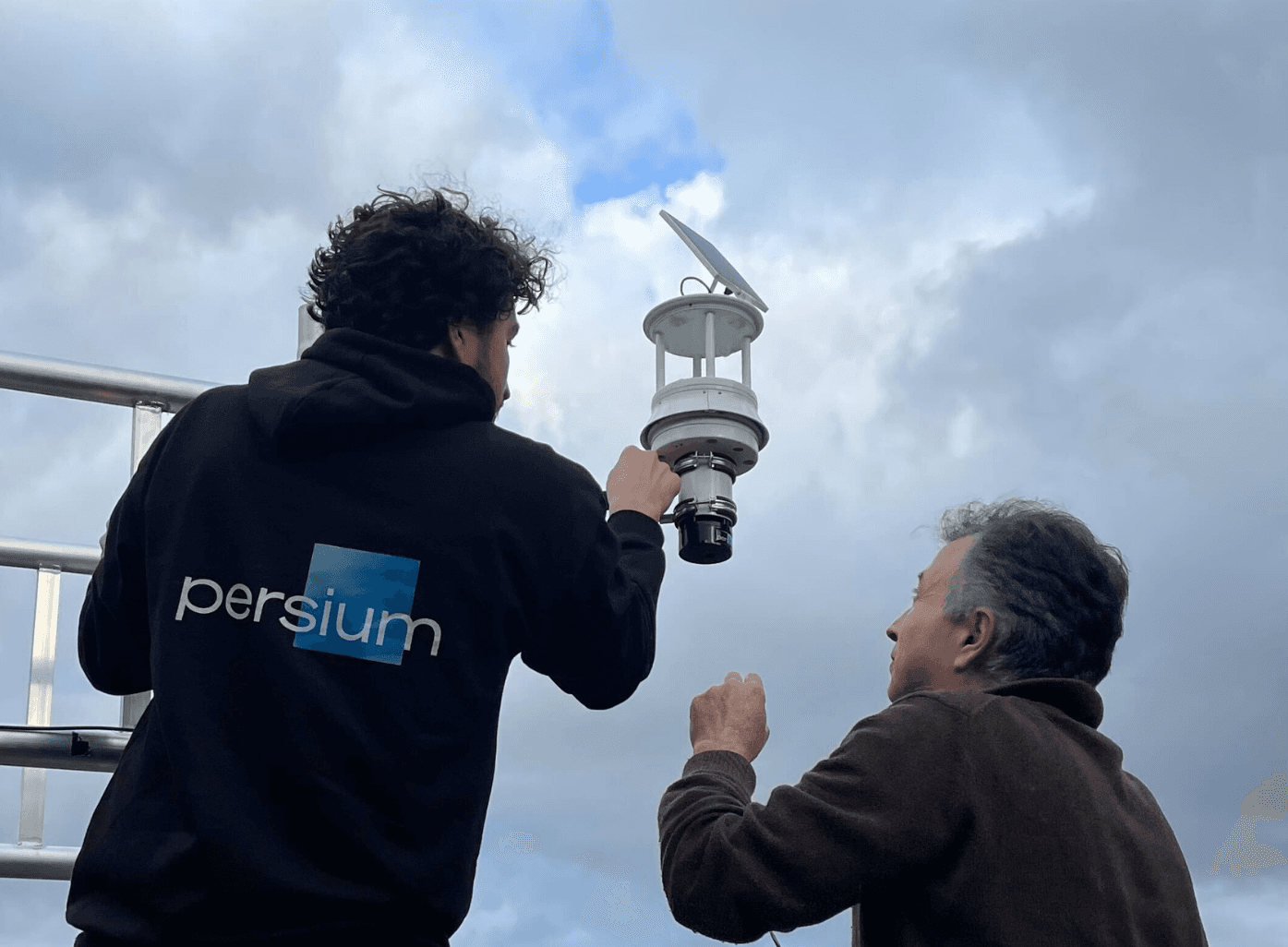
Persium Pods are strategically installed across Westminster, including:
Major public parks such as Hyde Park, St James’s Park, and Regent’s Park
High-traffic roads
Council housing estates
Residential neighbourhoods
This distribution ensures monitoring reflects the diversity of environments across the borough, from green spaces to transport corridors and community housing.
The objective is clear: identify pollution hotspots and understand how exposure varies between communities.
Because exposure is not evenly distributed, and neither are health outcomes.
Persium Pods are strategically installed across Westminster, including:
Major public parks such as Hyde Park, St James’s Park, and Regent’s Park
High-traffic roads
Council housing estates
Residential neighbourhoods
This distribution ensures monitoring reflects the diversity of environments across the borough, from green spaces to transport corridors and community housing.
The objective is clear: identify pollution hotspots and understand how exposure varies between communities.
Because exposure is not evenly distributed, and neither are health outcomes.
Connecting Air Quality to Health Data
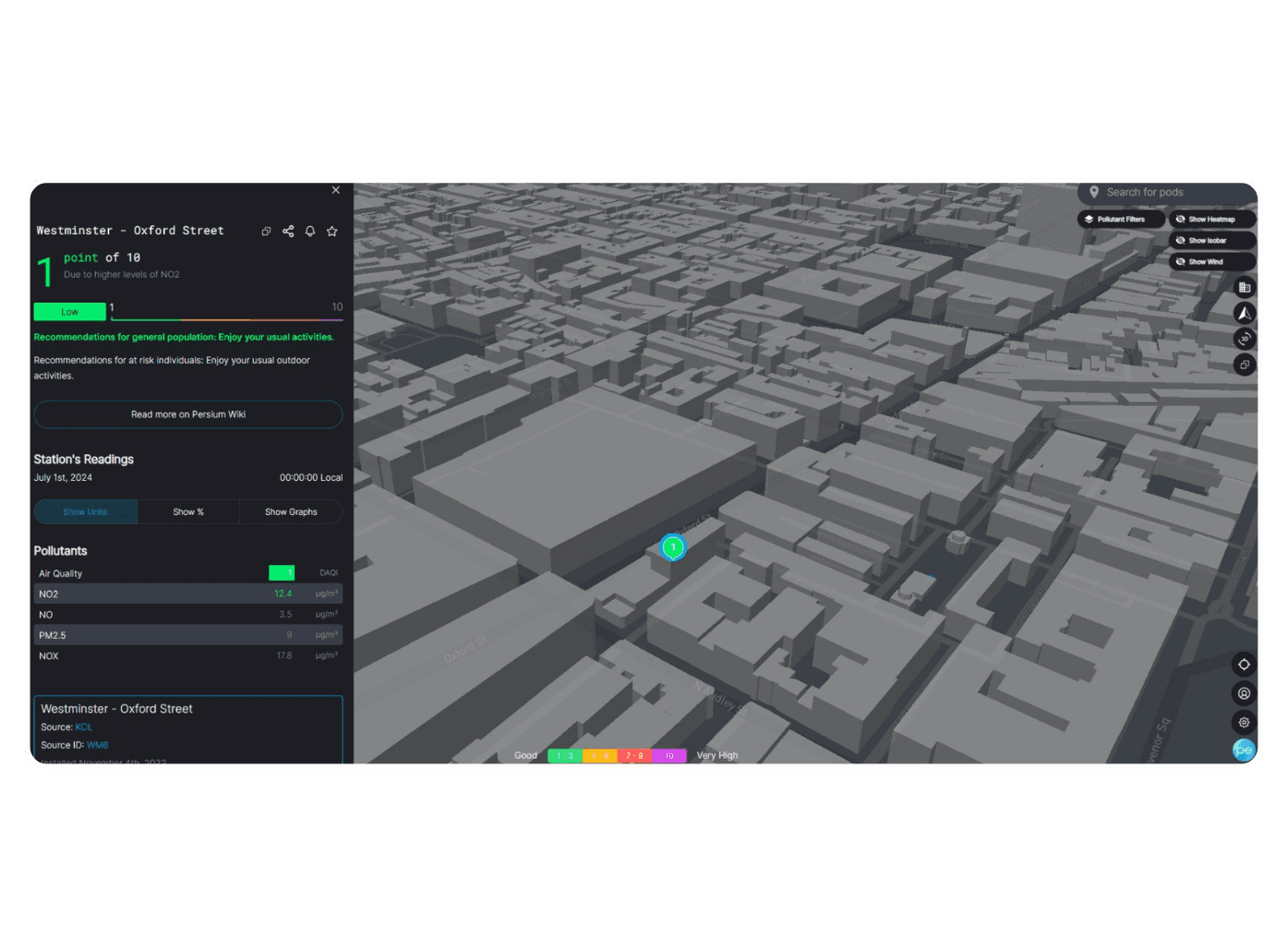
The Westminster deployment goes beyond measuring pollutants.
Environmental data feeds into the Westminster Health Index, integrating air quality information with wider datasets such as:
Hospital admissions
Obesity levels
Crime rates
School performance indicators
By linking environmental exposure with health and socio-economic metrics, the project supports a more holistic understanding of urban wellbeing.
Air quality becomes part of a broader health system, not a standalone metric.
Connecting Air Quality to Health Data
The Westminster deployment goes beyond measuring pollutants.
Environmental data feeds into the Westminster Health Index, integrating air quality information with wider datasets such as:
Hospital admissions
Obesity levels
Crime rates
School performance indicators
By linking environmental exposure with health and socio-economic metrics, the project supports a more holistic understanding of urban wellbeing.
Air quality becomes part of a broader health system, not a standalone metric.
From Monitoring to Measurable Impact
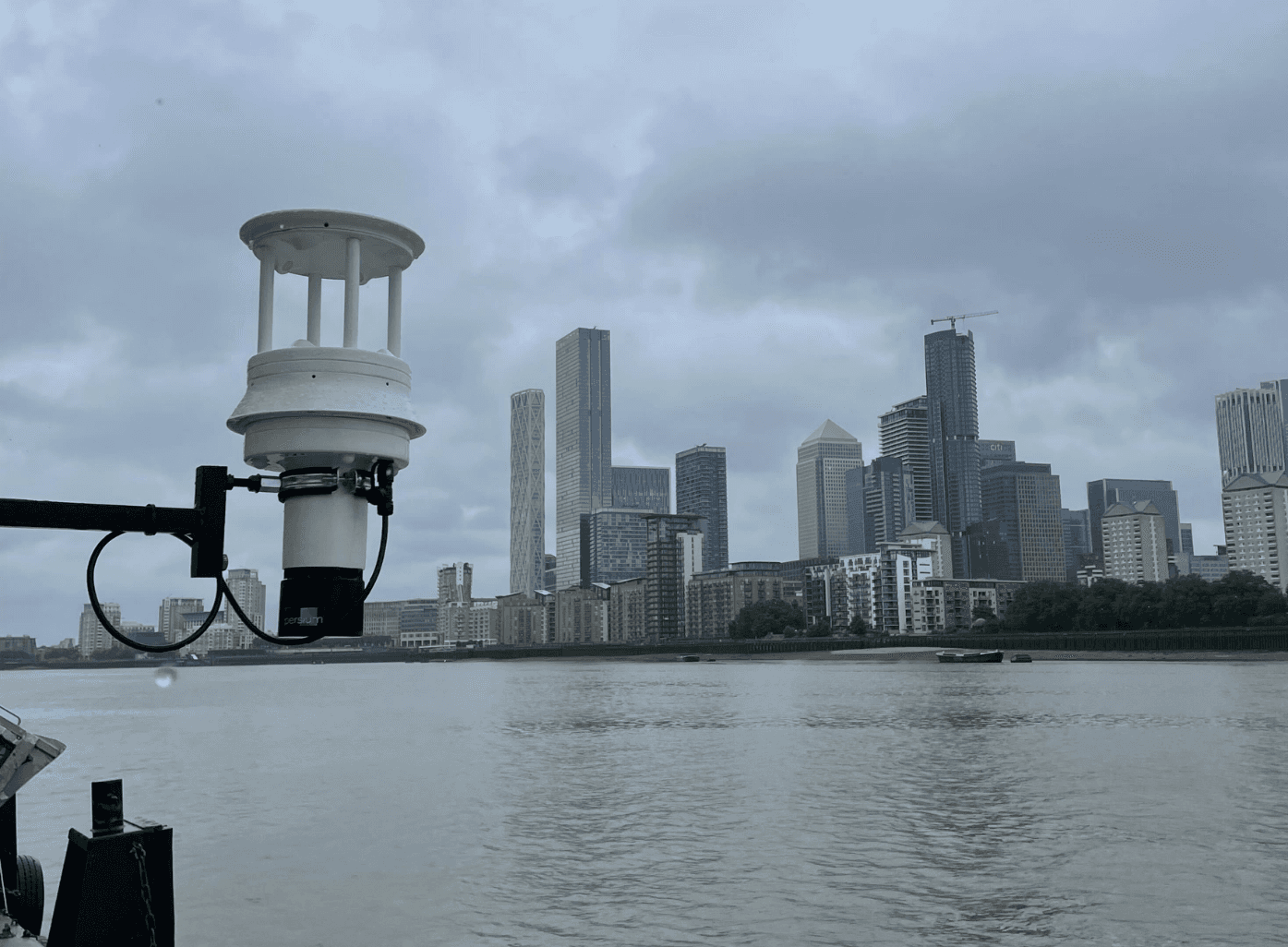
Real-time monitoring enables:
Identification of worst-affected areas
Targeted mitigation strategies
Evaluation of cleaner transport policies
Modelling the return on investment (ROI) of interventions such as electric bus fleets
By quantifying health and economic benefits from reduced exposure, Westminster can align environmental policy with financial and social outcomes.
Data moves from observation to optimisation.
From Monitoring to Measurable Impact
Real-time monitoring enables:
Identification of worst-affected areas
Targeted mitigation strategies
Evaluation of cleaner transport policies
Modelling the return on investment (ROI) of interventions such as electric bus fleets
By quantifying health and economic benefits from reduced exposure, Westminster can align environmental policy with financial and social outcomes.
Data moves from observation to optimisation.
See how Persium works in the real world.
See how Persium works in the real world.