Continuous, site-level air quality monitoring to protect workers, manage community impact, and stay compliant.


Continuous, site-level air quality monitoring to protect workers, manage community impact, and stay compliant.


Continuous, site-level air quality monitoring to protect workers, manage community impact, and stay compliant.


The challenge

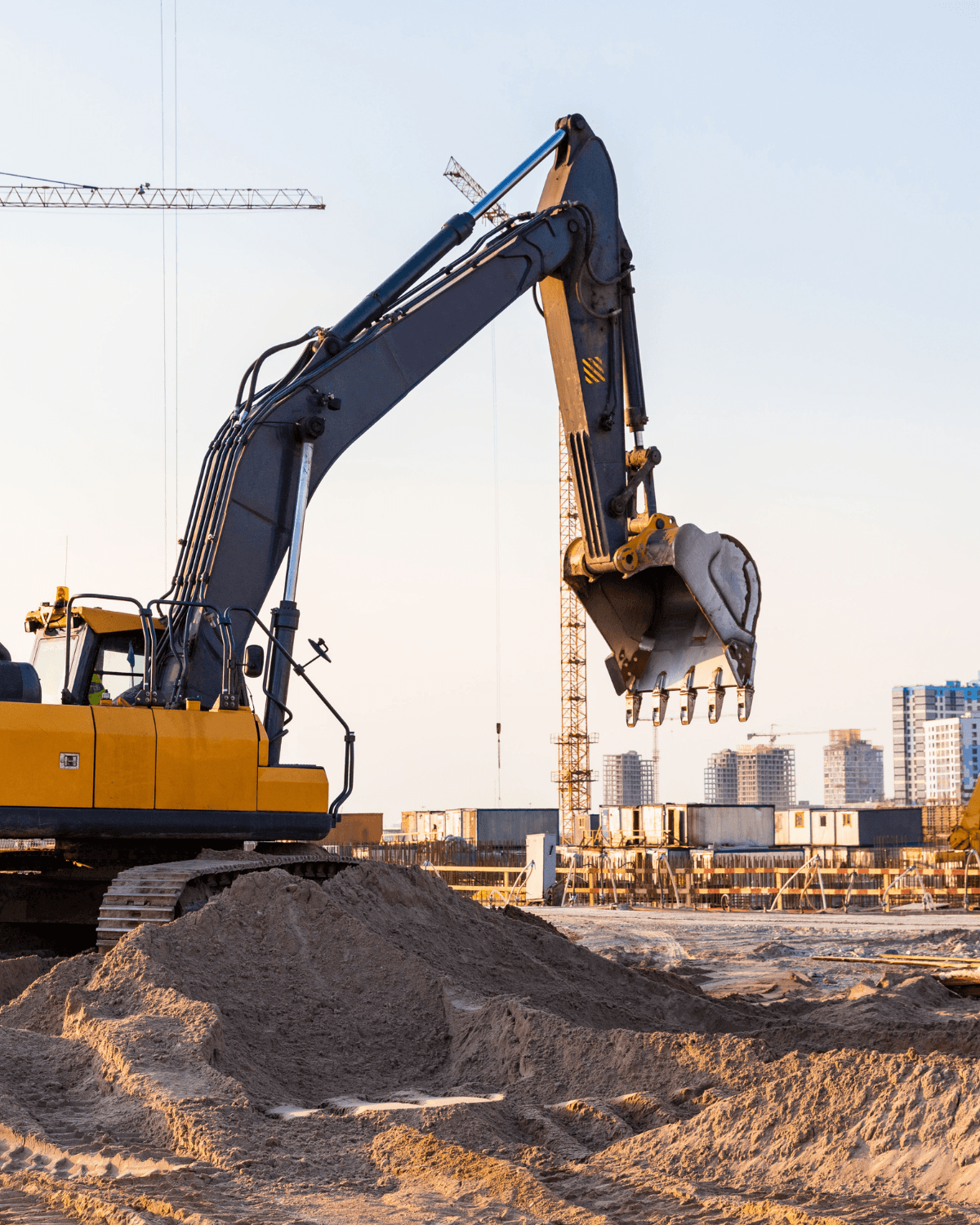
Construction sites are highly dynamic environments where pollution levels can shift rapidly due to excavation, demolition, material handling, and machinery. Periodic monitoring and basic boundary checks simply can't keep pace — leaving workers exposed, communities affected, and project teams without the evidence they need when complaints or inspections arise.


The Persium approach

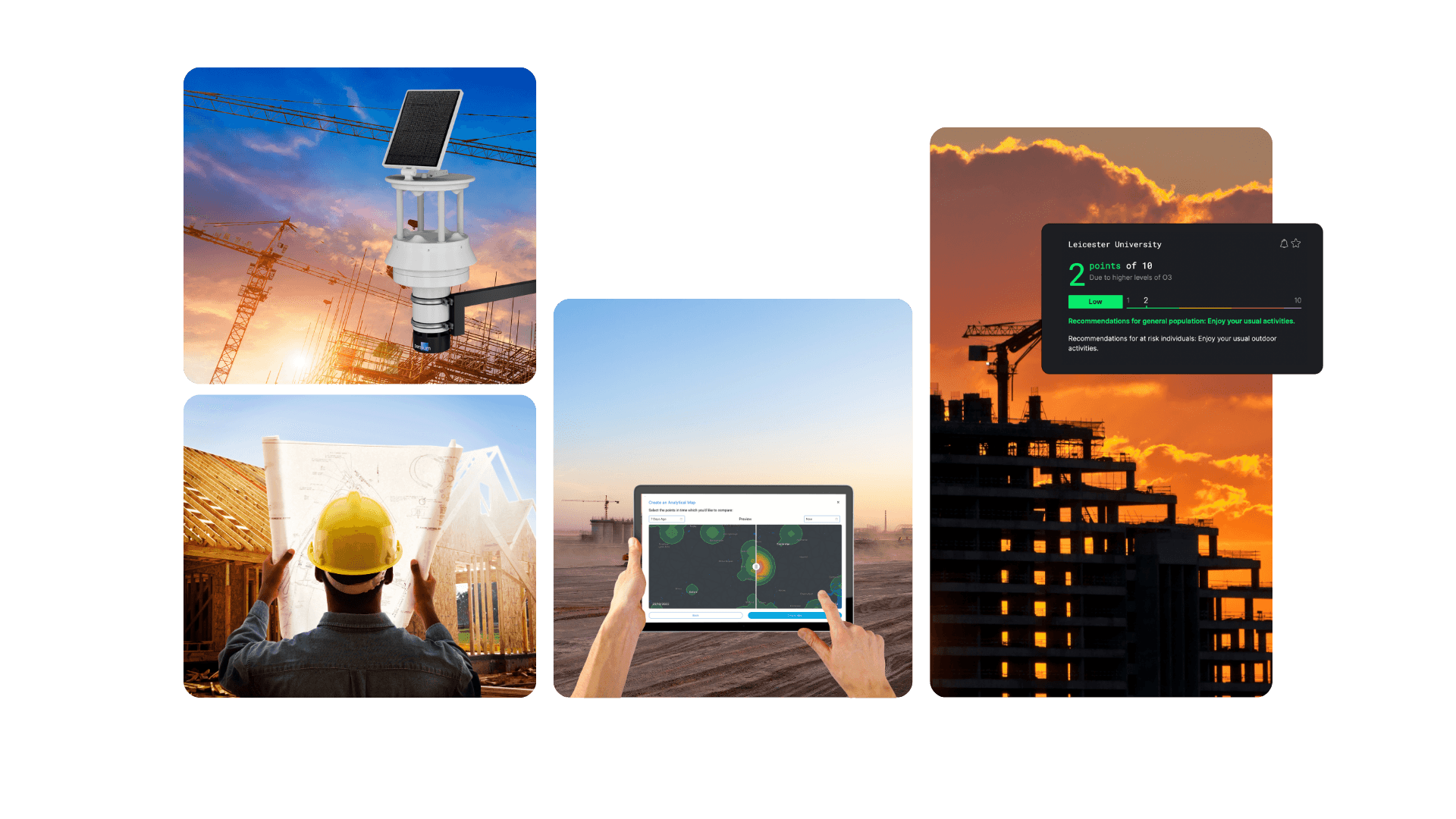
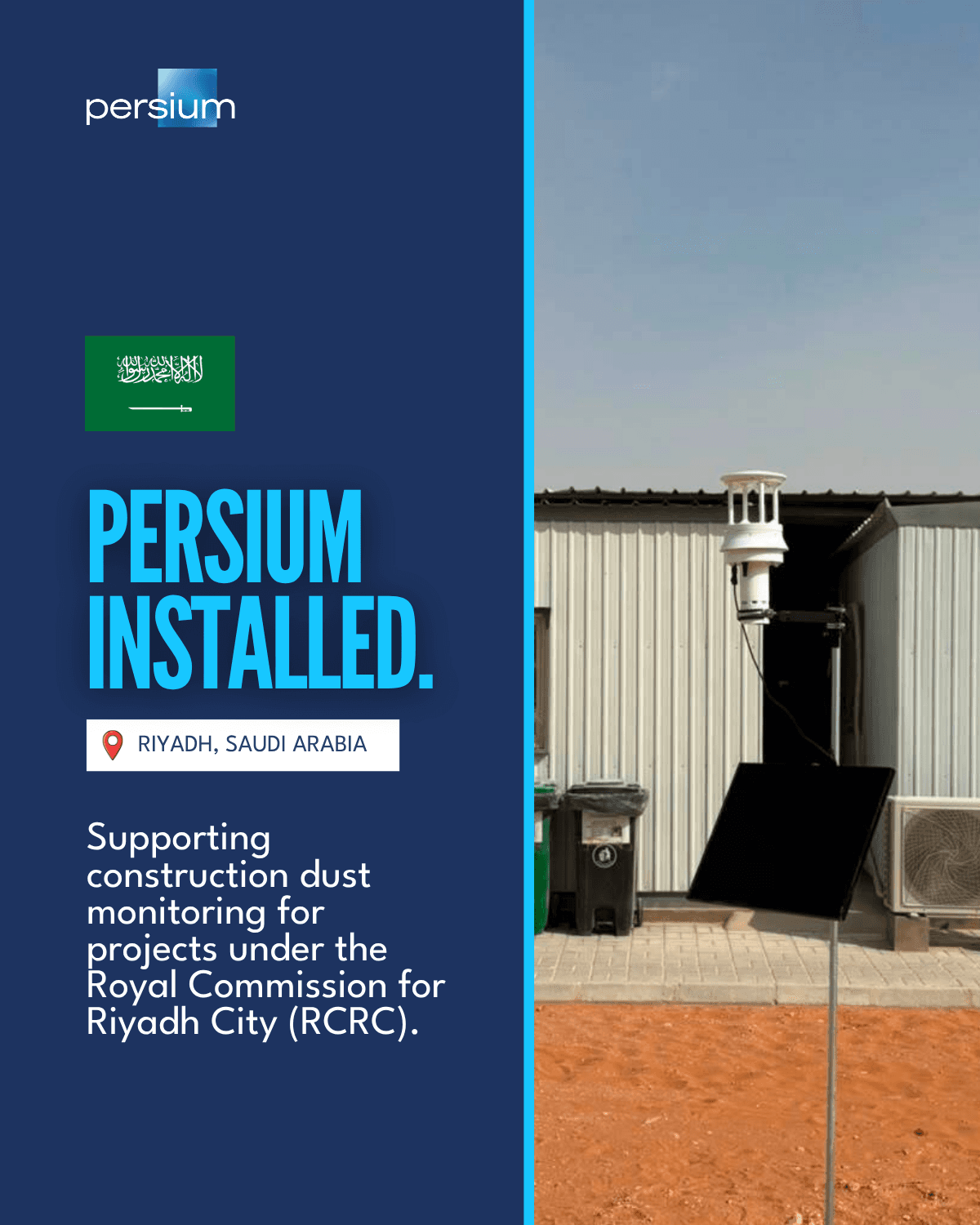
Persium deploys sensors across active sites, boundaries, and surrounding areas — providing continuous visibility into dust, particulates, and key pollutants as conditions change throughout the working day. Real-time alerts notify teams when thresholds are approached, and time-stamped data creates a defensible record for regulatory reporting and community engagement.


What construction teams use it for


Worker dust exposure monitoring:

Track PM2.5 and PM10 levels across active zones to protect on-site personnel and support safe working conditions.


Boundary & community impact:

Continuous perimeter monitoring shows when and where dust travels beyond the site, enabling proactive responses before complaints escalate.


Regulatory compliance:

Generate auditable, time-stamped records to demonstrate compliance with local authority requirements and planning conditions.


Source identification:

Combine air quality data with wind readings to pinpoint which activities or areas are driving emission spikes, and adjust operations accordingly.


Real-time alerts:

Configurable thresholds notify site teams the moment conditions approach unsafe or non-compliant levels, enabling immediate action.


The challenge

Construction sites are highly dynamic environments where pollution levels can shift rapidly due to excavation, demolition, material handling, and machinery. Periodic monitoring and basic boundary checks simply can't keep pace — leaving workers exposed, communities affected, and project teams without the evidence they need when complaints or inspections arise.


The Persium approach

Persium deploys sensors across active sites, boundaries, and surrounding areas — providing continuous visibility into dust, particulates, and key pollutants as conditions change throughout the working day. Real-time alerts notify teams when thresholds are approached, and time-stamped data creates a defensible record for regulatory reporting and community engagement.


What construction teams use it for


Worker dust exposure monitoring:

Track PM2.5 and PM10 levels across active zones to protect on-site personnel and support safe working conditions.


Boundary & community impact:

Continuous perimeter monitoring shows when and where dust travels beyond the site, enabling proactive responses before complaints escalate.


Regulatory compliance:

Generate auditable, time-stamped records to demonstrate compliance with local authority requirements and planning conditions.


Source identification:

Combine air quality data with wind readings to pinpoint which activities or areas are driving emission spikes, and adjust operations accordingly.


Real-time alerts:

Configurable thresholds notify site teams the moment conditions approach unsafe or non-compliant levels, enabling immediate action.


The challenge

Construction sites are highly dynamic environments where pollution levels can shift rapidly due to excavation, demolition, material handling, and machinery. Periodic monitoring and basic boundary checks simply can't keep pace — leaving workers exposed, communities affected, and project teams without the evidence they need when complaints or inspections arise.


The Persium approach

Persium deploys sensors across active sites, boundaries, and surrounding areas — providing continuous visibility into dust, particulates, and key pollutants as conditions change throughout the working day. Real-time alerts notify teams when thresholds are approached, and time-stamped data creates a defensible record for regulatory reporting and community engagement.


What construction teams use it for


Worker dust exposure monitoring:

Track PM2.5 and PM10 levels across active zones to protect on-site personnel and support safe working conditions.


Boundary & community impact:

Continuous perimeter monitoring shows when and where dust travels beyond the site, enabling proactive responses before complaints escalate.


Regulatory compliance:

Generate auditable, time-stamped records to demonstrate compliance with local authority requirements and planning conditions.


Source identification:

Combine air quality data with wind readings to pinpoint which activities or areas are driving emission spikes, and adjust operations accordingly.


Real-time alerts:

Configurable thresholds notify site teams the moment conditions approach unsafe or non-compliant levels, enabling immediate action.