
Use Case
Oil and Gas
Oil and Gas
Continuous emissions intelligence, from fenceline to control room.
Oil and gas operations generate emissions from flaring, venting, maintenance, and equipment failure that can rapidly change local air quality, often within minutes and without warning. Periodic inspections are scheduled around operations, not around emissions events. By the time an inspection occurs, the event has passed. The exposure has happened. The compliance window has closed. Without continuous, site-level monitoring, operators are managing risk reactively, and regulators are reviewing data that doesn't reflect what actually happened on site.
THE CHALLENGE
Fugitive emissions are intermittent, unpredictable, and routinely missed by periodic inspections.
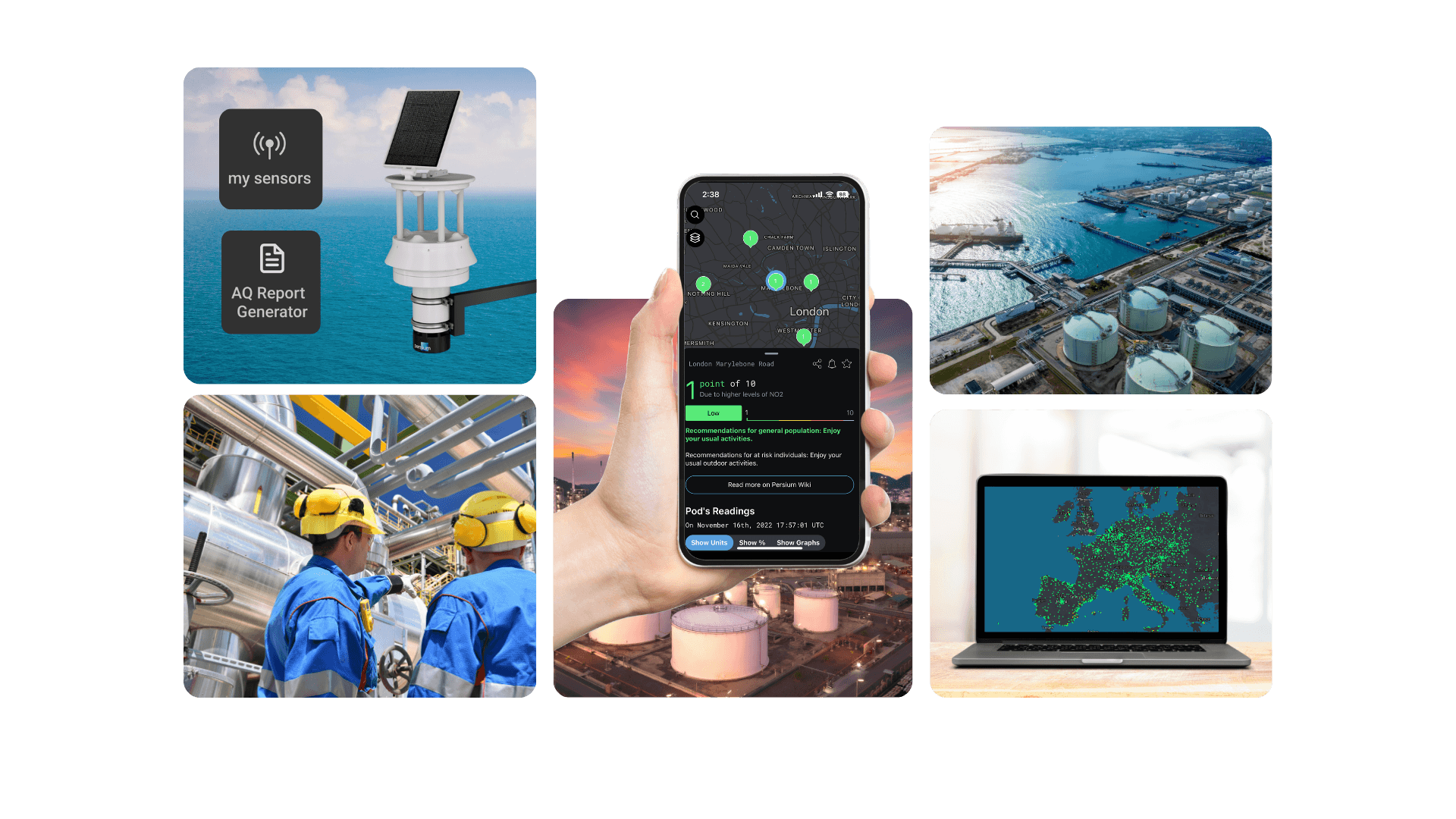
Persium deploys sensor networks across operational areas, fencelines, and downwind positions, continuously monitoring methane-related compounds, VOCs, H₂S, SO₂, NOx, and particulate matter in real time. Wind data from every Pod adds spatial context, linking concentration spikes to their likely source and tracking how emissions disperse across the site.
All data streams into Persium's Dashboard and MapView, giving environmental, HSE, and operations teams a live, connected view of site conditions they can act on immediately.
WHAT PERSIUM DOES
Oil and gas operations generate emissions from flaring, venting, maintenance, and equipment failure that can rapidly change local air quality, often within minutes and without warning. Periodic inspections are scheduled around operations, not around emissions events. By the time an inspection occurs, the event has passed. The exposure has happened. The compliance window has closed. Without continuous, site-level monitoring, operators are managing risk reactively, and regulators are reviewing data that doesn't reflect what actually happened on site.
THE CHALLENGE
Fugitive emissions are intermittent, unpredictable, and routinely missed by periodic inspections.
Persium deploys sensor networks across operational areas, fencelines, and downwind positions, continuously monitoring methane-related compounds, VOCs, H₂S, SO₂, NOx, and particulate matter in real time. Wind data from every Pod adds spatial context, linking concentration spikes to their likely source and tracking how emissions disperse across the site.
All data streams into Persium's Dashboard and MapView, giving environmental, HSE, and operations teams a live, connected view of site conditions they can act on immediately.
WHAT PERSIUM DOES
Continuous emissions intelligence, from fenceline to control room.
Fugitive emissions detection
Continuous monitoring identifies abnormal emission patterns associated with leaks, venting, or equipment failure, enabling earlier intervention, reduced environmental impact, and a defensible record of detection and response.
Methane and VOC monitoring
Real-time insight into methane-related compounds and VOCs supports emissions reduction programmes, climate risk management, and regulatory reporting under expanding ESG and environmental disclosure frameworks.
Worker health and safety
H₂S, SO₂, and VOC monitoring during flaring, maintenance, and shutdown events provides the continuous exposure data that occupational health and safety standards increasingly require. Threshold alerts trigger immediate operational response before concentrations reach dangerous levels.
Fenceline and boundary monitoring
Perimeter sensors show how site emissions affect surrounding residential areas, communities, and sensitive receptors, generating the transparent, verifiable evidence that regulators and community engagement processes demand.
Wind-aware source apportionment
Every Persium Pod includes a built-in 3D wind sensor. Correlating pollutant spikes with wind direction and speed identifies the likely emission source across a complex site, improving response planning, root cause analysis, and regulatory reporting accuracy.
Fugitive emissions detection
Continuous monitoring identifies abnormal emission patterns associated with leaks, venting, or equipment failure, enabling earlier intervention, reduced environmental impact, and a defensible record of detection and response.
Methane and VOC monitoring
Real-time insight into methane-related compounds and VOCs supports emissions reduction programmes, climate risk management, and regulatory reporting under expanding ESG and environmental disclosure frameworks.
Worker health and safety
H₂S, SO₂, and VOC monitoring during flaring, maintenance, and shutdown events provides the continuous exposure data that occupational health and safety standards increasingly require. Threshold alerts trigger immediate operational response before concentrations reach dangerous levels.
Fenceline and boundary monitoring
Perimeter sensors show how site emissions affect surrounding residential areas, communities, and sensitive receptors, generating the transparent, verifiable evidence that regulators and community engagement processes demand.
Wind-aware source apportionment
Every Persium Pod includes a built-in 3D wind sensor. Correlating pollutant spikes with wind direction and speed identifies the likely emission source across a complex site, improving response planning, root cause analysis, and regulatory reporting accuracy.
MONITORING APPLICATIONS
What oil and gas operators use Persium for.
What oil and gas operators use Persium for.
Fugitive emissions detection
Continuous monitoring identifies abnormal emission patterns associated with leaks, venting, or equipment failure, enabling earlier intervention, reduced environmental impact, and a defensible record of detection and response.
Methane and VOC monitoring
Real-time insight into methane-related compounds and VOCs supports emissions reduction programmes, climate risk management, and regulatory reporting under expanding ESG and environmental disclosure frameworks.
Worker health and safety
H₂S, SO₂, and VOC monitoring during flaring, maintenance, and shutdown events provides the continuous exposure data that occupational health and safety standards increasingly require. Threshold alerts trigger immediate operational response before concentrations reach dangerous levels.
Fenceline and boundary monitoring
Perimeter sensors show how site emissions affect surrounding residential areas, communities, and sensitive receptors, generating the transparent, verifiable evidence that regulators and community engagement processes demand.
Wind-aware source apportionment
Every Persium Pod includes a built-in 3D wind sensor. Correlating pollutant spikes with wind direction and speed identifies the likely emission source across a complex site, improving response planning, root cause analysis, and regulatory reporting accuracy.
In Saudi Arabia, NCEC permit conditions require continuous emissions monitoring at major industrial facilities. In the UAE, MOCCAE environmental standards are tightening in line with Net Zero 2050 commitments. Across Europe, the revised Industrial Emissions Directive requires large installations to monitor and report emissions continuously, with exceedances reported to regulators within defined timeframes.
ESG disclosure frameworks including TCFD and GRI are driving additional pressure for verifiable, continuous environmental data across oil and gas supply chains. Persium data is time-stamped, exportable, and API-accessible, audit-ready from day one.
In Saudi Arabia, NCEC permit conditions require continuous emissions monitoring at major industrial facilities. In the UAE, MOCCAE environmental standards are tightening in line with Net Zero 2050 commitments. Across Europe, the revised Industrial Emissions Directive requires large installations to monitor and report emissions continuously, with exceedances reported to regulators within defined timeframes.
ESG disclosure frameworks including TCFD and GRI are driving additional pressure for verifiable, continuous environmental data across oil and gas supply chains. Persium data is time-stamped, exportable, and API-accessible, audit-ready from day one.
REGULATORY CONTEXT
Continuous emissions monitoring is no longer optional across the GCC and Europe.
Continuous emissions monitoring is no longer optional across the GCC and Europe.

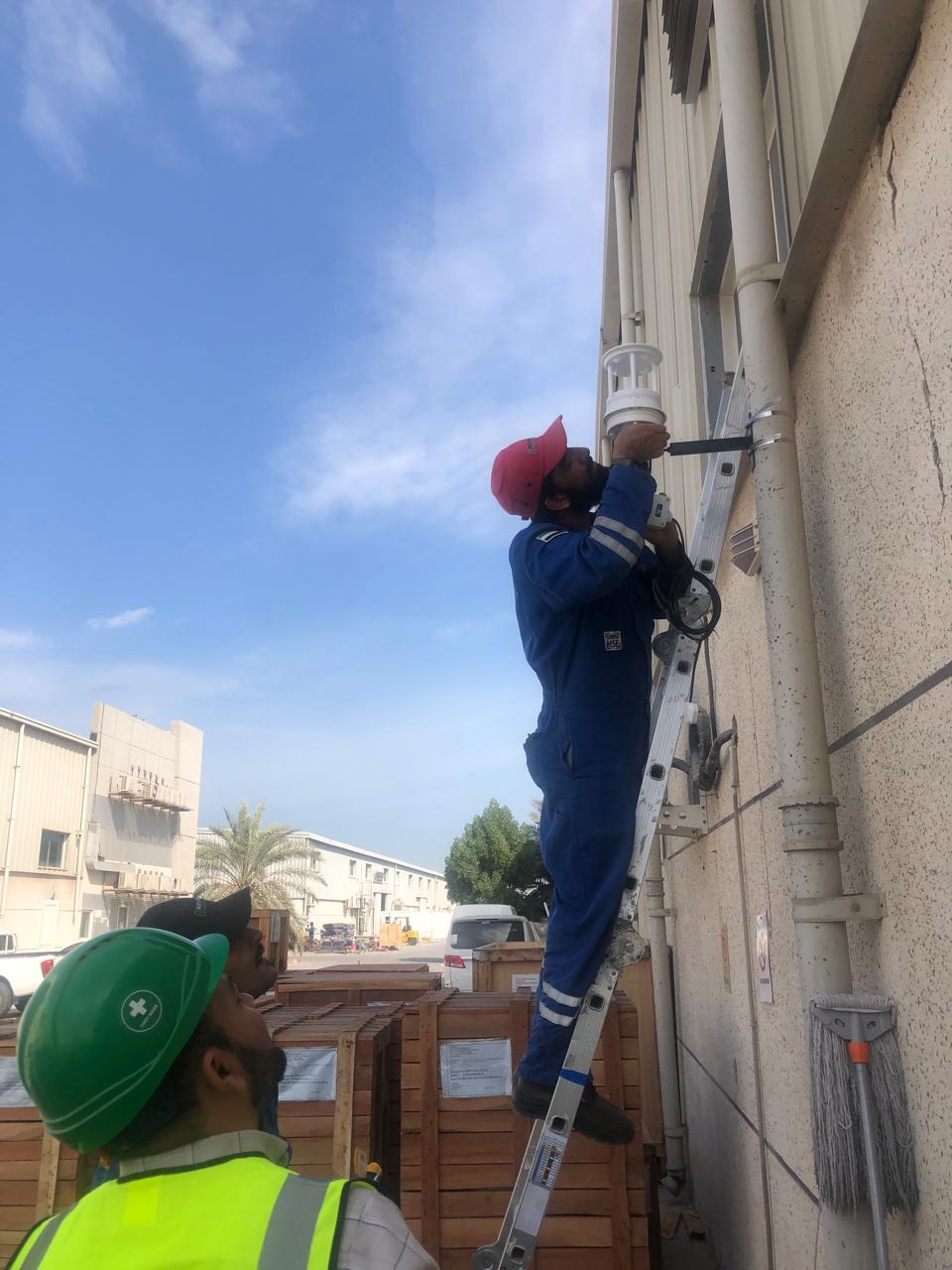

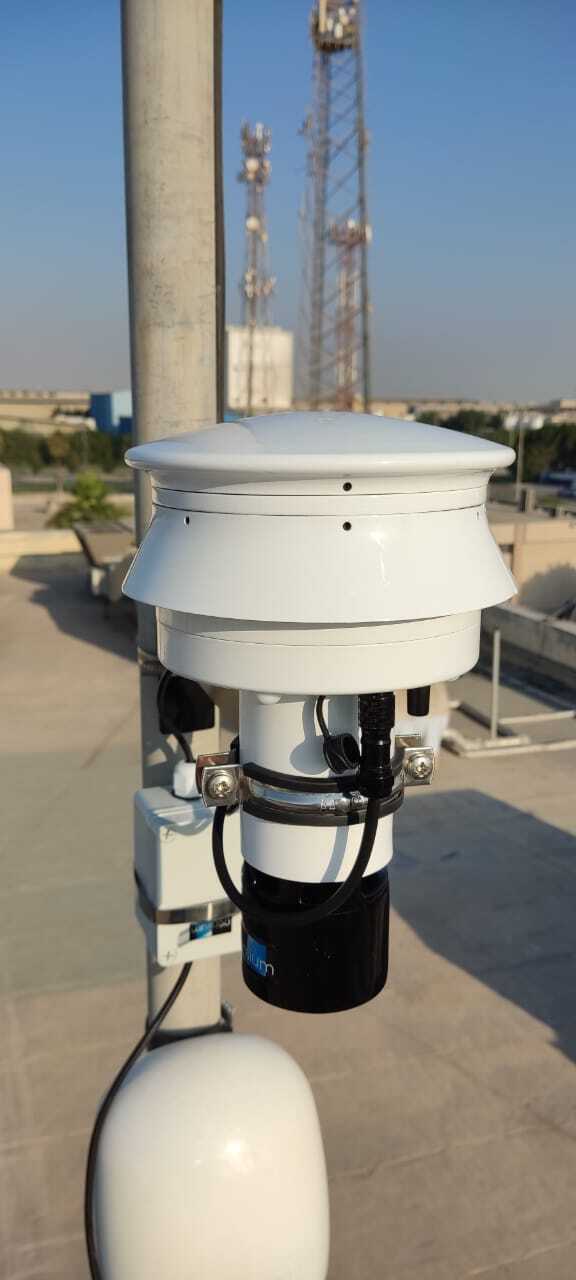
Persium is deployed across industrial and high-intensity outdoor environments in Saudi Arabia and Abu Dhabi, demonstrating continuous performance in extreme heat, harsh desert conditions, and demanding operational environments. Sensors engineered to operate at temperatures up to +85°C, with solar power and cellular connectivity built in. From heat stress and WBGT monitoring to real-time air quality and atmospheric conditions, Persium is working in the field, not on a proposal.
Persium is deployed across industrial and high-intensity outdoor environments in Saudi Arabia and Abu Dhabi, demonstrating continuous performance in extreme heat, harsh desert conditions, and demanding operational environments. Sensors engineered to operate at temperatures up to +85°C, with solar power and cellular connectivity built in. From heat stress and WBGT monitoring to real-time air quality and atmospheric conditions, Persium is working in the field, not on a proposal.
POD DEPLOYMENT
Already monitoring in Saudi Arabia and Abu Dhabi.
Already monitoring in Saudi Arabia and Abu Dhabi.
Built for every industry where air quality matters.
Built for every industry where air quality matters.